Taylor Washington · 22 September 2026
Decoding How Specialized Detection Methods Influence Audience Expansion Patterns in Focused Online Ventures
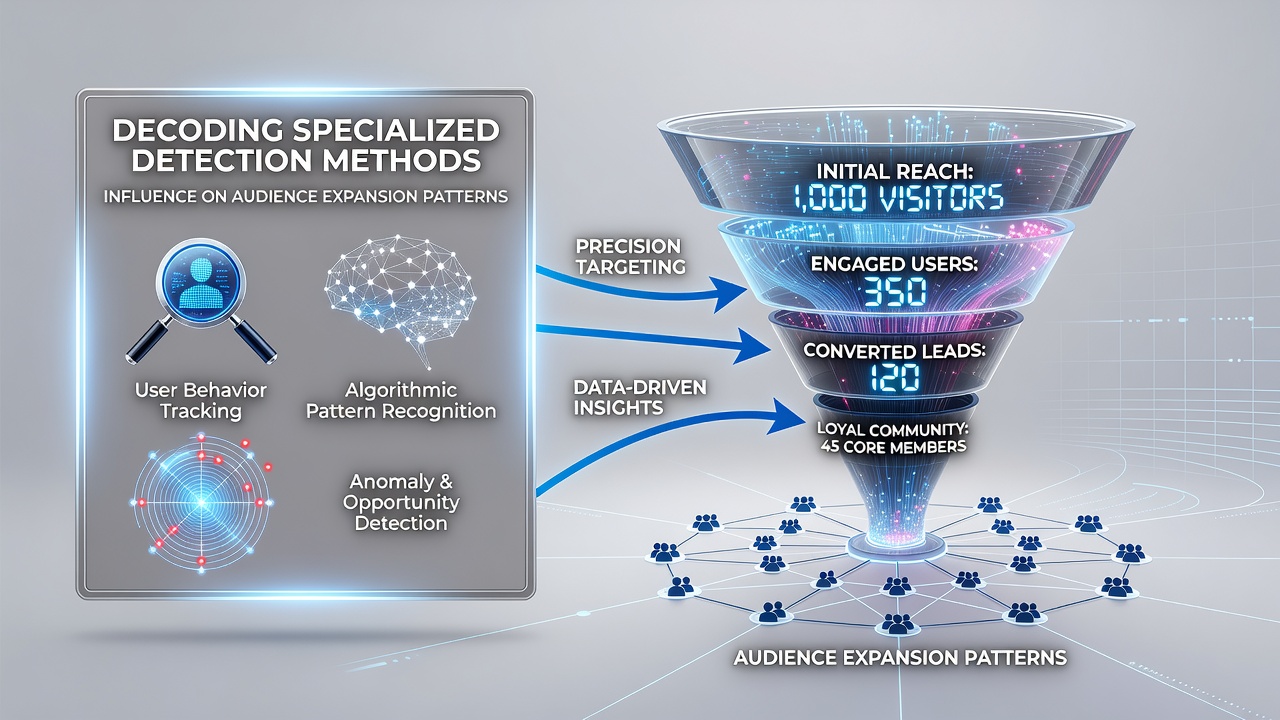
Specialized detection methods have become central to how focused online ventures track and grow their audiences, since these tools analyze user signals, content authenticity, and traffic quality in real time. Researchers at various institutions note that platforms relying on advanced anomaly detection often see shifts in expansion rates because the systems flag irregular patterns early, allowing operators to adjust strategies before growth stalls. Data from industry reports shows that ventures incorporating these methods experience more stable audience curves compared to those using basic analytics alone.
Core Components of Detection Systems in Digital Ventures
Modern detection frameworks combine machine learning algorithms with behavioral analytics to identify genuine engagement versus automated or low-quality interactions, and this matters for niche sites that target specific demographics. Observers note that when ventures deploy these systems they gain clearer visibility into bounce rates, session durations, and referral sources, which in turn shapes decisions about content distribution and partnership outreach. Studies conducted across multiple regions indicate that integration of such tools correlates with measurable changes in subscriber acquisition timelines, particularly when the methods distinguish between organic visits and those influenced by paid promotions.
Behavioral Pattern Recognition and Its Reach
Algorithms designed for pattern recognition scan incoming traffic for consistency in device types, geographic origins, and navigation sequences, while ventures apply the resulting insights to refine targeting parameters. Those who have examined data sets from 2024 through 2026 report that refined detection leads to tighter audience segments because false positives decrease and genuine users receive more relevant follow-up content. In September 2026 several platforms updated their detection thresholds following new regulatory guidance on data transparency, and this adjustment prompted many focused online projects to recalibrate their growth tracking dashboards accordingly.
Observed Effects on Audience Expansion Metrics
Expansion patterns in specialized online ventures often accelerate once detection systems filter out low-value interactions, since resources then concentrate on high-intent segments. Figures from academic analyses reveal that sites employing multi-layered verification see audience retention improve by double-digit percentages within the first quarter of implementation. Ventures operating in competitive niches find that early identification of duplicate accounts or synthetic traffic prevents dilution of engagement scores, which search and recommendation engines use to rank content visibility.
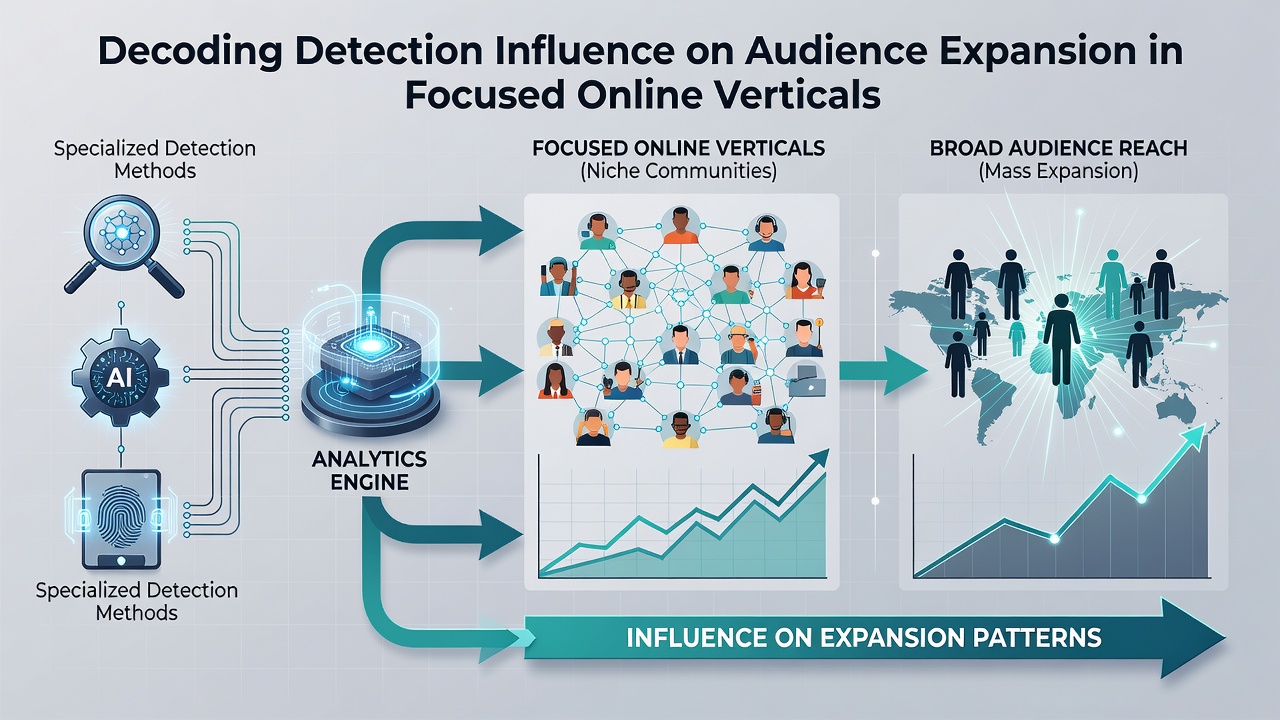
Take one research team that tracked thirty niche content platforms over eighteen months; their findings demonstrated that consistent application of specialized detection produced steadier month-over-month growth compared to control groups relying on standard metrics. The difference appeared most clearly in referral traffic quality, where filtered results translated into higher conversion events and longer average visit times. Observers tracking these trends point out that the patterns hold across industries ranging from educational resources to hobbyist communities.
Regional Data Sources and Industry Benchmarks
Reports issued by the Australian Competition and Consumer Commission highlight how transparent detection practices affect platform accountability and user trust in online services. Separate analyses from Canadian research centers have examined similar dynamics, noting that ventures adopting standardized detection protocols achieve more predictable scaling trajectories. When combined, these data sets suggest that geographic variations in regulation influence the speed at which detection methods integrate into daily operations, yet the underlying expansion benefits remain consistent.
September 2026 Updates and Their Implications
By September 2026 several major analytics providers released revised detection modules that incorporate additional signals from emerging device ecosystems and privacy-preserving identifiers. Ventures that adopted these updates recorded immediate shifts in reported audience composition, with some niches experiencing temporary plateaus while systems recalibrated. Those monitoring the changes note that the adjustments ultimately supported cleaner data streams, which operators then used to fine-tune outreach campaigns and partnership selections.
Practical Applications Across Focused Ventures
Operators of subscription-based knowledge hubs and community forums frequently cite improved campaign performance after implementing detection layers that separate real user activity from background noise. One documented example involved a regional hobby site that reduced its marketing spend by reallocating budgets away from channels previously flagged as low-quality by detection software. The result was sustained audience growth without proportional increases in acquisition costs, a pattern repeated in other verticals according to aggregated industry summaries.
Conclusion
Specialized detection methods continue to reshape how focused online ventures measure and pursue audience expansion, because they supply granular visibility into traffic integrity and engagement quality. Data collected through 2026 indicates that platforms integrating these tools achieve more resilient growth curves, particularly when they align detection thresholds with evolving regulatory and technological standards. Continued observation of these interactions will likely reveal additional refinements in expansion strategies across diverse niche sectors.